How do game developers test how players experience their games?


How do game developers test how players experience their games?
When a new video game is in development, it’s not just about graphics, sound, or coding. It’s equally about how players feel when they play — whether the game is fun, intuitive, challenging, and emotionally engaging. To figure that out, developers test their games repeatedly, often with real players. But what does that process actually look like when studios try to understand what’s happening in the minds and hands of their players?
From concept to experience – why testing matters
A game can look great on paper, but only when someone plays it does it become clear whether the idea truly works. That’s why testing often begins early in development. Even in the prototype stage, developers invite players to try small parts of the game — maybe just a single level or a basic gameplay mechanic.
The goal is to see if the game feels right: Are the controls natural? Do players understand what to do? Is the pacing balanced? These early insights can save developers countless hours later, allowing them to adjust the design before everything is fully built.
Game testing in practice – from observation to data
There are many ways to test a game, but most studios combine observation, interviews, and data analysis.
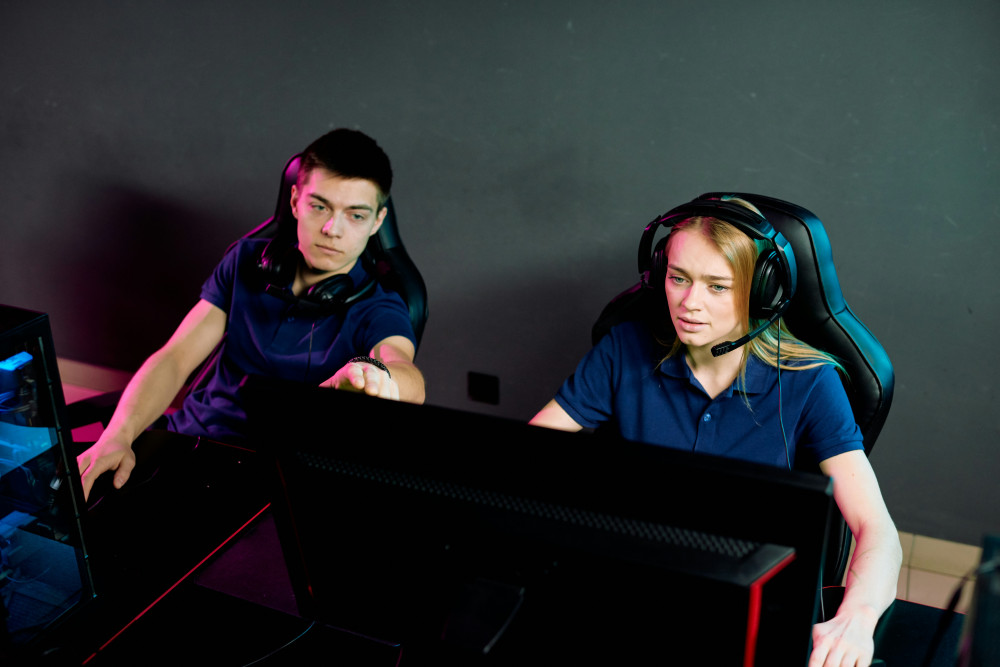
- Observation: Players are asked to play while developers watch — either in a testing lab or through video recordings. Observers note where players hesitate, get frustrated, or smile. This gives an immediate sense of how the game feels in action.
- Interviews and surveys: After playing, developers talk with players about their experience. What was fun? What was confusing? What emotions did they feel along the way?
- Data and telemetry: Modern games can collect detailed data about player behavior — how long someone stays on a level, how often they fail, or which choices they make. These numbers can reveal patterns that players themselves might not notice.
By combining these methods, developers get both the human and measurable sides of the experience.
User testing vs. playtesting – two different goals
In the gaming industry, there’s often a distinction between user testing and playtesting. User testing focuses on usability — how easy it is to navigate menus, understand instructions, and use controls. It’s about clarity and accessibility.
Playtesting, on the other hand, focuses on the experience itself: Is it fun? Is the difficulty fair? Do rewards feel satisfying? This kind of testing is more subjective but just as important, because it determines whether the game emotionally connects with players.
Læs også:




Testing through different stages – from closed to open
Testing happens in several phases:
- Internal testing – developers themselves play and adjust the game continuously.
- Closed testing – a small group of selected players gets access, often under a confidentiality agreement. Their fresh perspective helps identify issues that insiders might overlook.
- Open beta – a nearly finished version is released to a larger audience. This stage tests both technical stability and player experience on a large scale.
Each phase brings new insights. Internal tests might reveal control issues, while an open beta can show how thousands of players respond to the game’s balance and pacing.
Emotions, flow, and frustration – the invisible side of gameplay
Testing a game isn’t just about finding bugs. It’s also about understanding emotions. Many developers use the concept of flow — that state where players are so immersed they lose track of time. A well-designed game keeps players in flow by balancing challenge and reward.
Some studios even use biometric testing to measure this balance: cameras that track facial expressions or sensors that monitor heart rate and skin response. These tools can reveal when players are excited, stressed, or bored — helping developers fine-tune the emotional rhythm of the game.
From feedback to improvement
Once testing is done, the real work begins: turning feedback into changes. That might mean small tweaks to difficulty or major redesigns of entire systems. Sometimes, testing shows that a beloved idea simply doesn’t work — and developers have to let it go.
The best studios treat testing as a creative process, not just a quality check. Every test is a chance to understand players better and craft an experience that feels natural, engaging, and memorable.
Testing as part of a game’s DNA
Today, testing isn’t a final step — it’s woven into every stage of development. From the first sketches to the final release, games are constantly played, adjusted, and refined. It’s a process that requires both technical skill and empathy — the ability to see the game through the player’s eyes.
Because in the end, it’s not the developer’s experience that matters most — it’s the player’s. And that’s why testing lies at the very heart of modern game development.
Læs også: