Become a Better Gamer: How to Analyze Your Gameplay and Improve Your Strategies

Become a Better Gamer: How to Analyze Your Gameplay and Improve Your Strategies
Becoming a better gamer isn’t just about lightning-fast reflexes or endless hours in front of a screen. It’s equally about understanding how you play—and why you make the choices you do. By analyzing your gameplay, you can uncover patterns, mistakes, and strengths that often go unnoticed. Here’s a guide to using analysis and reflection to sharpen your strategies—whether you’re into shooters, strategy games, or competitive esports.
Know Your Starting Point
Before you can improve, you need to know where you stand. Start by observing your own gaming habits:
- When do you perform best—early in the day or late at night?
- What situations cause you to lose focus?
- What types of mistakes do you repeat?
Consider keeping a short gaming journal. Note how you performed, what went well, and what didn’t. It might sound simple, but it gives you a clear picture of your strengths and weaknesses.
Use Replays and Stats
Most modern games—from Call of Duty and Valorant to Fortnite and League of Legends—offer replay systems or detailed performance stats. These are some of the most powerful tools for improvement.
When reviewing your matches, focus on:
- Positioning: Where are you relative to teammates and opponents?
- Timing: Are you reacting too early or too late in key moments?
- Decision-making: Why did you choose that particular strategy—and could you have done something smarter?
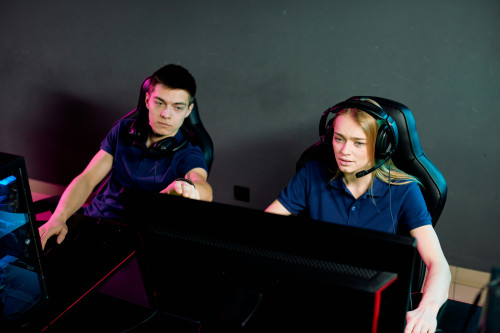
Watching your own mistakes can be uncomfortable, but that’s where real learning happens. Many professional players spend hours reviewing their own and others’ matches to understand what works and what doesn’t.
Læs også:

Learn from the Best
Studying top players is a shortcut to understanding the deeper mechanics of a game. Watch streams, tournaments, or analysis videos on platforms like Twitch and YouTube, and pay attention to how the pros handle situations you struggle with.
Ask yourself:
- How do they move around the map or battlefield?
- How do they communicate with their team?
- What decisions do they make under pressure?
You don’t have to copy everything they do, but you can draw inspiration and adapt their techniques to fit your own playstyle.
Practice with Purpose
Many gamers fall into the trap of just playing endlessly, hoping to improve through repetition. But focused practice yields far better results. Choose one area to work on at a time—such as aim accuracy, resource management, or teamwork—and train deliberately.
Set specific, measurable goals, like:
- “I want to hit 80% of my shots in the training range.”
- “I’ll communicate clearly in every match.”
- “I’ll avoid unnecessary deaths in the first five minutes.”
When you practice with a clear purpose, progress becomes more visible—and motivation grows.
Analyze Both Losses and Wins
It’s tempting to forget a lost match and move on, but defeats often hold the most valuable lessons. Ask yourself: What went wrong? Was it a tactical error, poor communication, or lack of focus?
Don’t forget to analyze your victories, too. Why did things go well? What decisions led to success? Understanding what you do right helps you repeat those actions intentionally in future games.
Build Mental Strength and Focus
Analyzing gameplay isn’t just about mechanics—it’s also about mindset. Many players lose focus after a mistake or get frustrated when things don’t go as planned. Learn to recognize your emotional responses and manage them.
A short break, deep breathing, or a few minutes of reflection can make a big difference. Professional players often work with mental coaches to stay calm under pressure—and you can apply the same principles in your own gaming sessions.
Use the Community
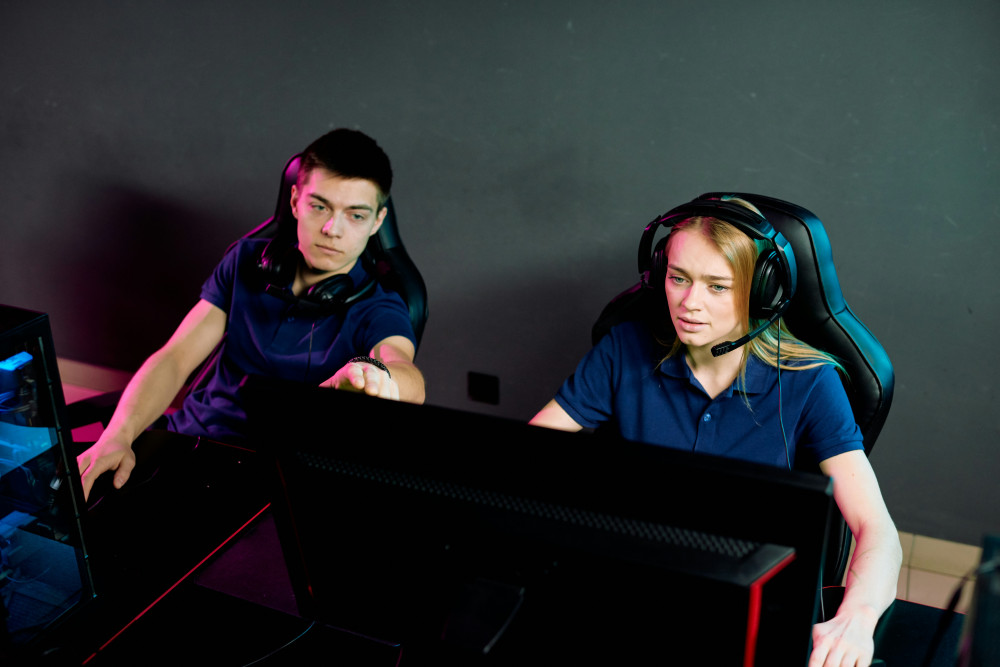
Improvement rarely happens in isolation. Share your replays with friends or teammates and ask for honest feedback. Others can often spot things you miss. Join online communities or forums where players discuss strategies and share experiences.
Learning alongside others makes the process more enjoyable—and gives you fresh perspectives on your gameplay.
From Analysis to Improvement
Analyzing your gameplay isn’t a one-time project—it’s an ongoing process. The more you reflect on your decisions, the more self-aware you become as a player. Over time, you’ll find yourself reacting faster, thinking more clearly, and making smarter choices.
It’s not about playing perfectly—it’s about playing consciously. When you understand your own patterns, you can change them—and that’s the key to becoming a better gamer.
Læs også: