Collaboration in Gaming – How Video Games Build Social Skills

Collaboration in Gaming – How Video Games Build Social Skills
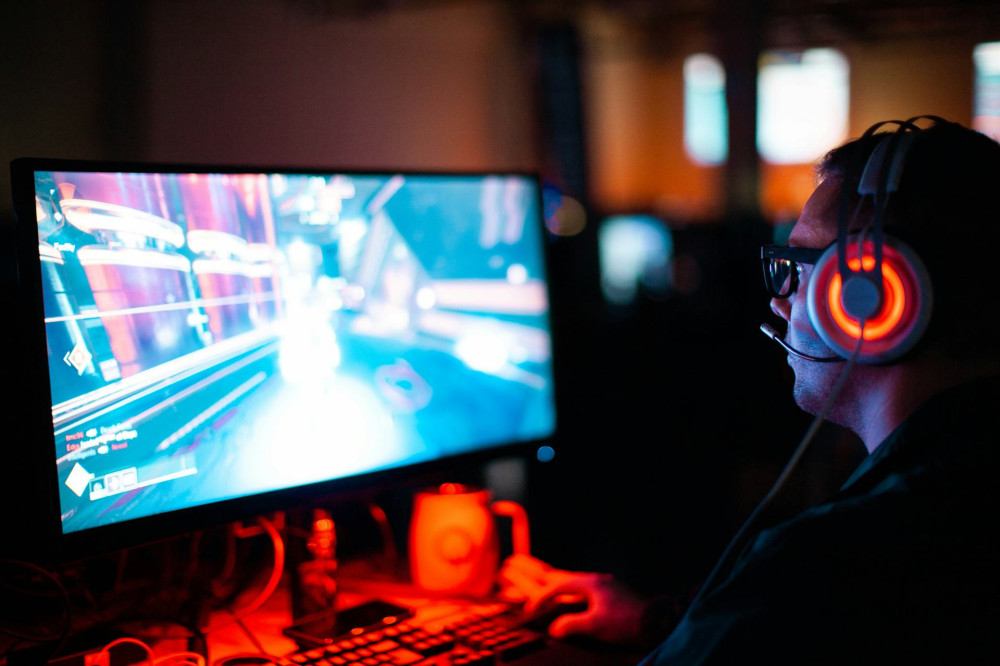
Video games are often seen as a source of entertainment, competition, and escape into digital worlds. But behind the screen lies a powerful social space where teamwork, communication, and shared strategy are essential. In many modern games, the ability to collaborate is what separates good players from great ones—and it’s also what helps develop real-world social skills that extend far beyond gaming.
From Solo Play to Shared Worlds
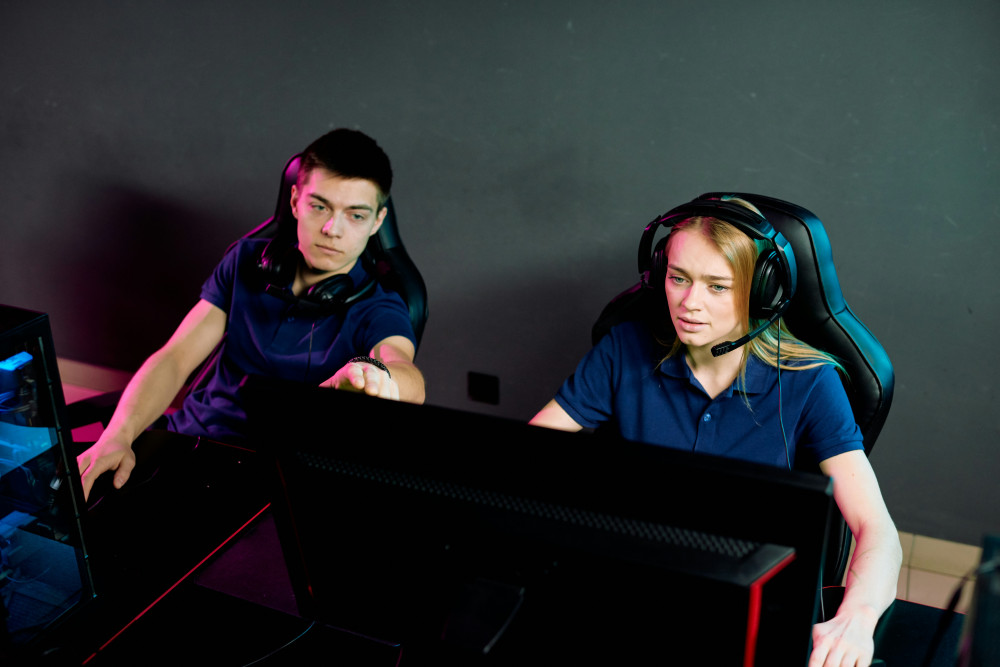
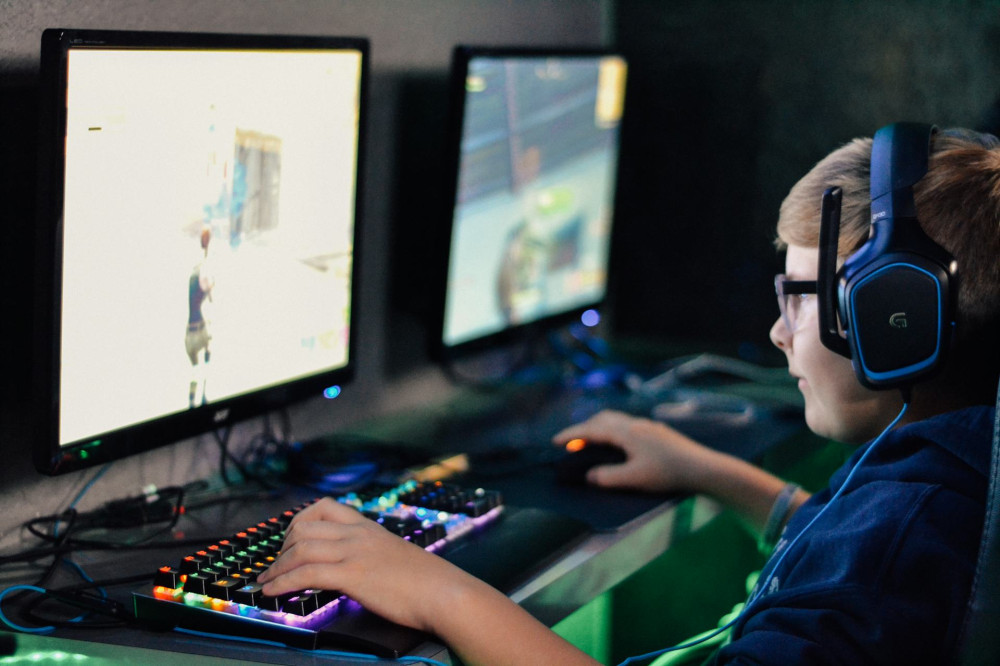
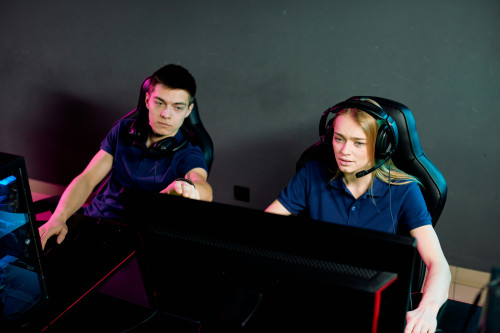
Gaming used to be a mostly solitary activity, but today’s games are built around community and cooperation. Online multiplayer titles like Fortnite, Valorant, and Apex Legends require players to coordinate, plan, and communicate to achieve a common goal. Success depends not only on quick reflexes but also on understanding each teammate’s role and strengths.
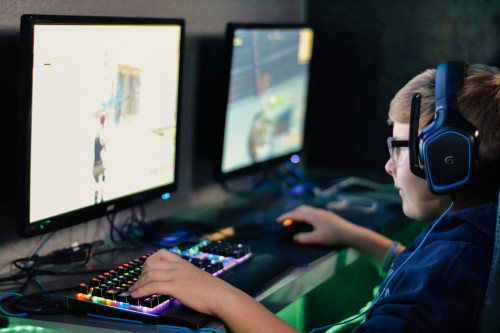
As games have become more social, they’ve evolved into platforms where players learn to work together across age groups, cultures, and languages. Many young Americans make friends through gaming, connecting with people from different backgrounds and learning to collaborate with teammates they may never meet in person.
Communication as the Key to Success
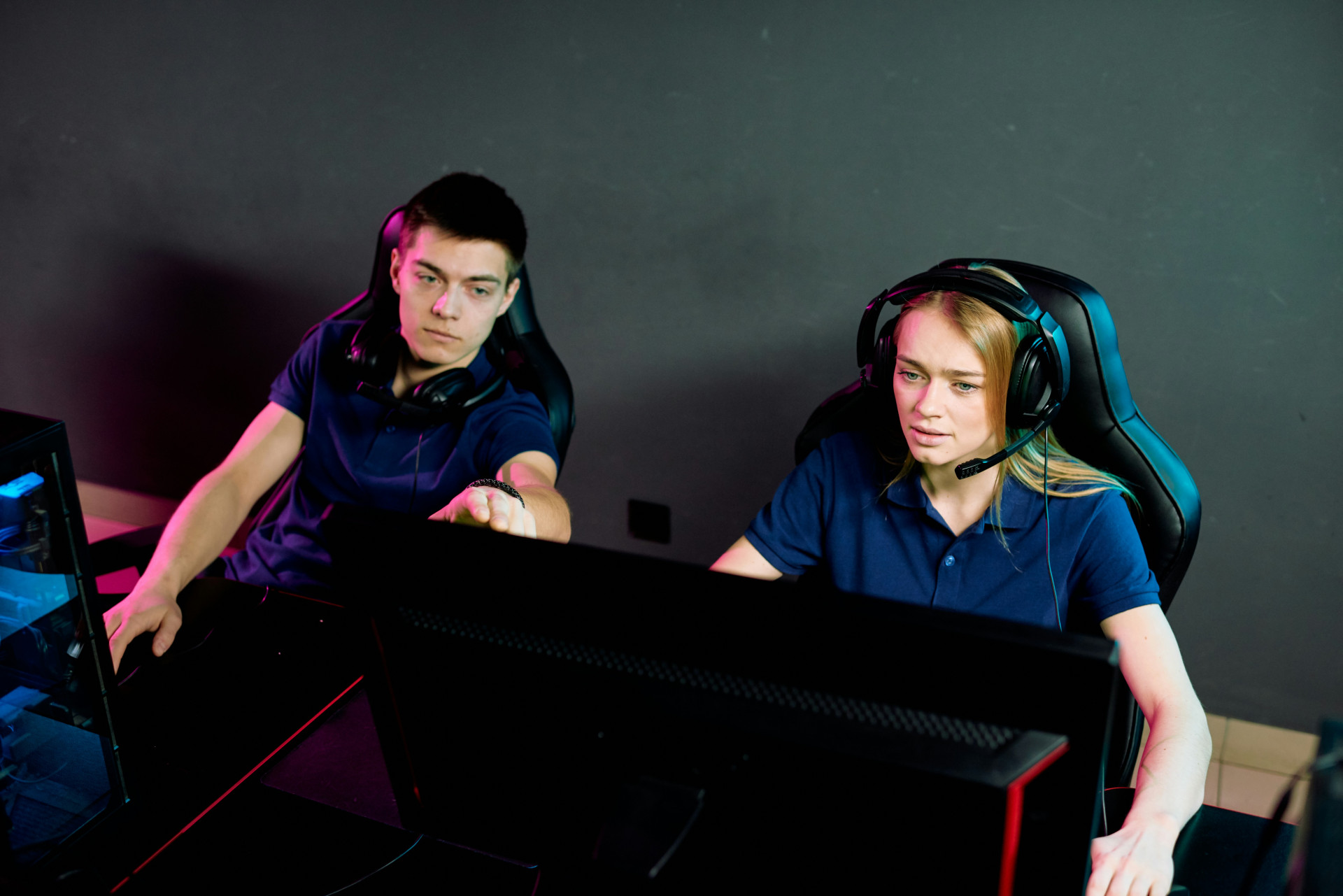
One of the clearest examples of social skill development in gaming is communication. In team-based games, players must share information quickly and clearly. They learn to express themselves concisely, listen actively, and adapt their communication style to the situation.
Tone and attitude also matter. A supportive, positive approach can lift an entire team, while negativity can quickly cause conflict. These lessons mirror real-life teamwork—whether in school projects, sports teams, or the workplace—where effective communication and mutual respect are essential.
Strategy, Trust, and Role Awareness
In many games, success depends on understanding one’s role within a larger group. Some players take on offensive roles, others defend, and some provide support or resources. This structure requires trust that everyone will do their part—and flexibility when plans change.
Through this kind of collaboration, players practice strategic thinking, adaptability, and leadership. They learn to take responsibility for their actions while respecting others’ decisions. These are the same skills that help people thrive in group work, community projects, and professional environments.
Læs også:
Building Empathy and Community
Although gaming happens in virtual spaces, it can foster genuine social bonds. Many players report that gaming helps them develop empathy and understanding for others. Working together toward a shared goal encourages players to see things from different perspectives—both in the game and in real life.
For some, gaming communities provide a sense of belonging that might be harder to find elsewhere. Online friendships can offer acceptance and shared purpose, especially for those who feel less comfortable in traditional social settings. These digital spaces can become meaningful communities built on cooperation and mutual respect.
Finding Balance Between Play and Reality
While gaming can strengthen social and cognitive skills, balance is key. Spending too much time online can limit face-to-face interaction and other important activities. The goal is to use gaming as a supplement—not a substitute—for real-world relationships.
When approached mindfully, gaming can be more than just a pastime. It can be a training ground for teamwork, communication, and empathy. In a world that increasingly values collaboration, video games offer a surprising and powerful way to build the social skills that matter most.
Læs også: