Fiber Internet or Not? Compare Broadband Types by Stability, Speed, and Future-Proofing

Fiber Internet or Not? Compare Broadband Types by Stability, Speed, and Future-Proofing
When choosing home internet in the U.S., you’re likely comparing fiber, cable, DSL, or mobile broadband. Each promises fast and reliable service, but the differences in performance, stability, and long-term potential are significant. Here’s a breakdown to help you decide which option best fits your household.
Fiber Internet – The Gold Standard for Speed and Reliability
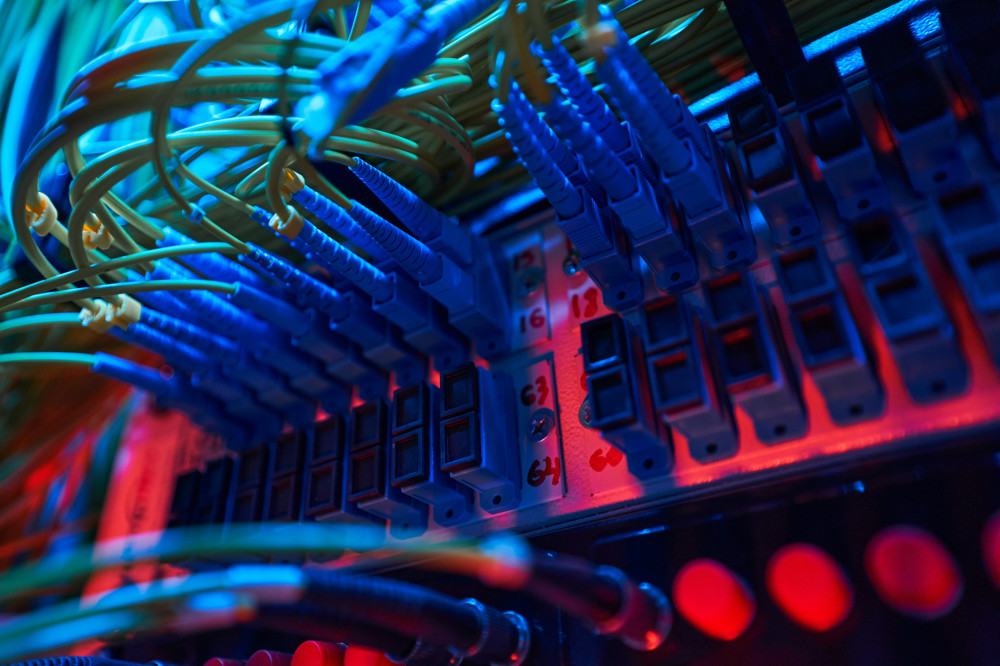
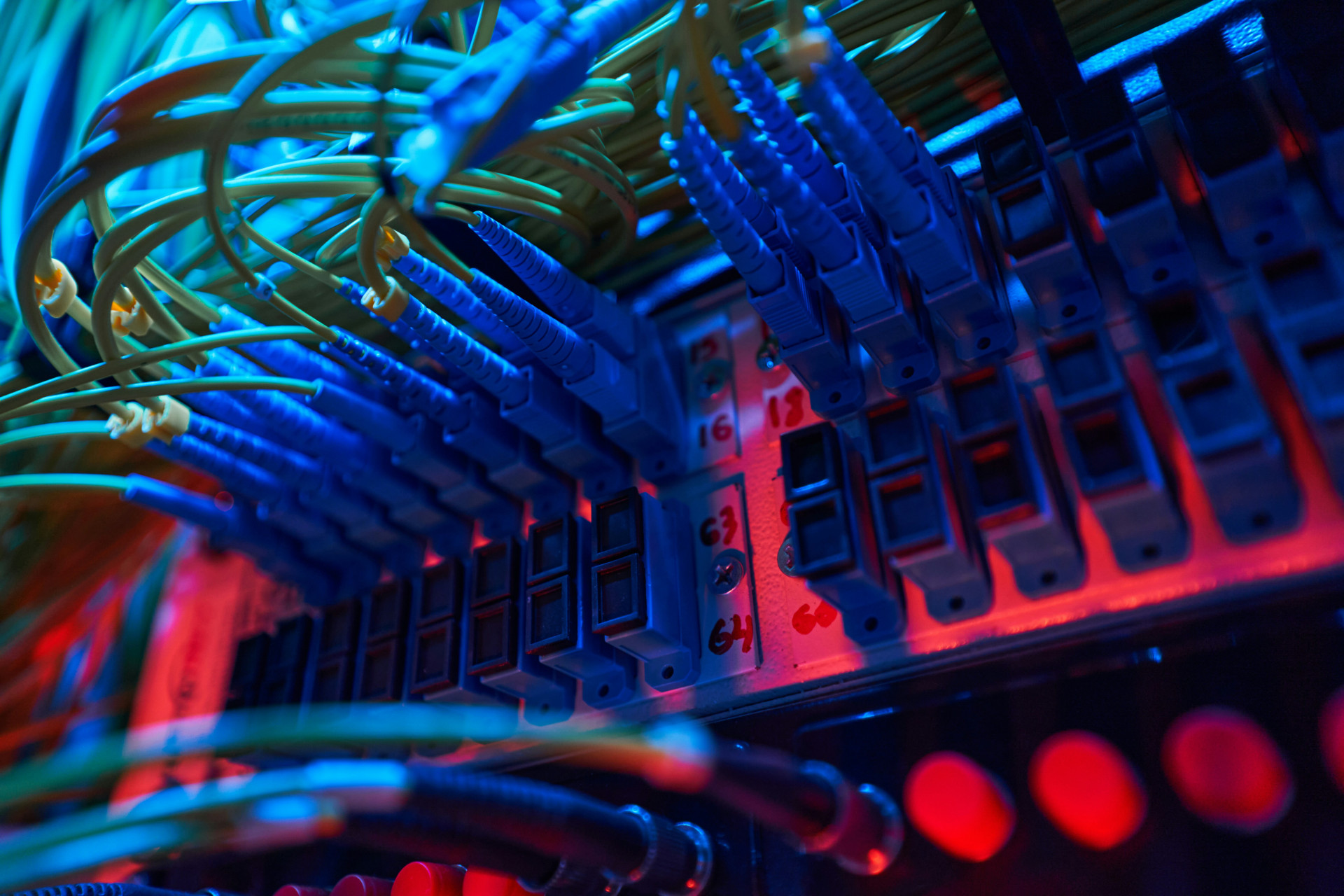
Fiber-optic internet is the most advanced broadband technology available today. It transmits data as light through glass fibers, allowing for extremely high capacity and minimal latency.
- Speed: Fiber offers symmetrical speeds—your upload speed matches your download speed. That’s ideal for remote work, video conferencing, gaming, and cloud backups.
- Stability: Fiber connections aren’t affected by distance from a central hub or by neighborhood traffic. You get consistent performance, even during peak hours.
- Future-Proofing: Fiber’s capacity is virtually unlimited. As technology evolves, providers can often increase speeds without replacing the physical cables.
The main drawback is availability. While fiber coverage is expanding rapidly across the U.S., many rural and suburban areas still rely on older infrastructure. Installation can also require construction if fiber lines haven’t been laid in your neighborhood.
Cable Internet – Fast and Widely Available, but Shared
Cable internet uses the same coaxial cables that deliver cable TV. It’s widely available and capable of high download speeds, but it comes with some trade-offs.
- Speed: Download speeds can be impressive, but upload speeds are usually much lower than fiber. That can be a limitation for video calls, online gaming, or uploading large files.
- Stability: Cable bandwidth is shared among users in your area. When many people are streaming or downloading at once, your speeds may drop.
- Future-Proofing: Cable networks can be upgraded, but they have physical limits. Over time, fiber is expected to surpass cable in both performance and reliability.
Cable internet is often cheaper and easier to install than fiber, making it a strong option in areas where fiber isn’t yet available.
DSL – The Aging Workhorse
DSL (Digital Subscriber Line) uses traditional copper telephone lines. It’s available almost everywhere, but it’s also the slowest and least future-ready of the wired options.
- Speed: DSL speeds vary widely and drop the farther you are from the provider’s central office. It’s fine for basic browsing and streaming but struggles with multiple users or high-bandwidth tasks.
- Stability: Copper lines are more prone to interference and signal degradation, which can cause inconsistent performance.
- Future-Proofing: Many telecom companies are phasing out DSL as they invest in fiber and 5G networks. It’s a fading technology.
DSL can still serve as a backup or a last-resort option in rural areas, but it’s rarely the best choice if you have alternatives.
Læs også:
Mobile Broadband and 5G – Flexible but Variable
Mobile broadband uses cellular networks (4G LTE or 5G) to deliver internet access. It’s wireless and easy to set up, but performance depends heavily on coverage and network congestion.
- Speed: 5G can theoretically reach fiber-like speeds, but real-world results vary by location, signal strength, and network load.
- Stability: Wireless signals can be affected by buildings, weather, and distance from the nearest tower. That makes mobile broadband less consistent than wired connections.
- Future-Proofing: 5G technology is evolving quickly and could become a strong alternative to fiber, especially in rural or hard-to-wire areas.
Mobile broadband is great for flexibility—think RVs, temporary housing, or backup connections—but it’s not yet a full replacement for a wired home network.
Which Should You Choose?
Your best option depends on your location, budget, and how you use the internet. Here’s a quick guide:
- Choose fiber if it’s available. It’s the fastest, most stable, and most future-proof option.
- Choose cable if you want high speeds at a lower cost and fiber isn’t an option.
- Choose DSL only if no other wired service is available.
- Choose mobile broadband if you need portability or live in an area without wired infrastructure.
Before signing up, check what speeds providers actually deliver in your area. Many offer speed guarantees or trial periods, and you can test your connection to ensure it meets expectations.
The Future Is Fiber—But the Choice Is Yours
The U.S. broadband landscape is moving steadily toward fiber and next-generation wireless networks. Fiber remains the most stable and scalable technology, which is why both private companies and government programs are investing heavily in expanding access.
Still, the right choice depends on your household’s needs. How many people are online at once? Do you work from home or stream in 4K? How important is reliability to you?
With the right connection, you’ll not only get faster internet—you’ll get a network that supports your lifestyle today and keeps up with tomorrow’s demands.
Læs også: