Collaboration at a Distance? Digital Tools Make It Easier

Collaboration at a Distance? Digital Tools Make It Easier
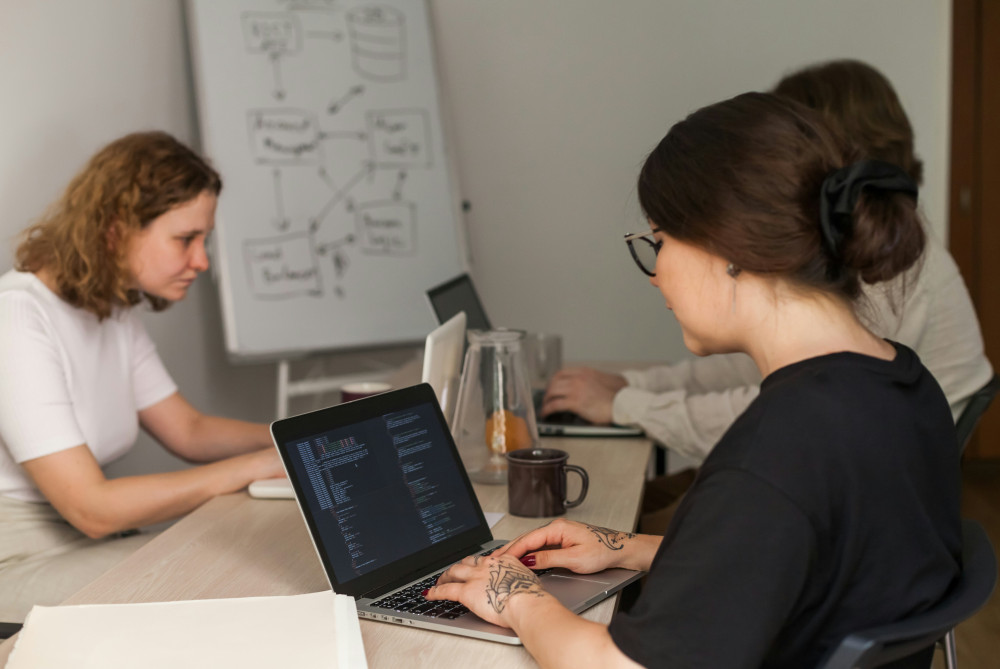
Remote and hybrid work have become a normal part of life for many Americans. Where colleagues once gathered around the office coffee machine or met in conference rooms, collaboration now often happens through screens and digital platforms. This shift brings new challenges for communication, organization, and technology—but it also opens the door to flexibility and productivity that were hard to achieve before. Here’s how digital tools can make teamwork easier, even when your coworkers are miles away.
Real-Time and Asynchronous Communication
When you can’t just pop into a colleague’s office, digital communication channels become essential. The best tools combine chat, video, and file sharing in one place, making it easy to switch between quick messages and longer discussions.
- Chat and messaging: Platforms like Slack, Microsoft Teams, and Google Chat make it simple to stay in touch throughout the day. They can replace many emails and create a more conversational tone.
- Video meetings: Zoom, Google Meet, and Teams allow face-to-face interaction, even from afar. Use video when body language and personal connection matter.
- Asynchronous communication: Not everything has to happen in real time. Recorded presentations, shared documents, and project tools let people contribute when it fits their schedule—especially useful for teams spread across time zones.
The key is to agree on a shared communication culture: When should you message, call, or schedule a meeting? Clear expectations help prevent misunderstandings and message overload.
Læs også:


Working Together on Documents and Projects
Digital collaboration tools make it possible to work on the same files simultaneously—without confusion or version chaos. This saves time and ensures everyone always has access to the latest updates.
- Shared documents: Google Workspace and Microsoft 365 allow teams to co-edit text, spreadsheets, and presentations. Comments and suggestions can be handled directly in the document.
- Project management: Tools like Trello, Asana, and Monday.com help teams track tasks, deadlines, and responsibilities. They provide structure and make progress visible.
- File sharing: Cloud services such as Dropbox and OneDrive ensure that files are accessible from any device and automatically backed up.
When everyone uses the same systems, it’s easier to maintain transparency and organization—even when the team is distributed.
Building Connection in a Digital Workplace
Good collaboration isn’t just about tasks and timelines—it’s also about relationships. When people work remotely, the social side can easily fade unless you make an effort to keep it alive.
Schedule virtual coffee breaks, informal Friday chats, or short check-ins that aren’t strictly about work. Many teams also use dedicated chat channels for humor, photos, or celebrating small wins. These moments strengthen team spirit and make daily work more enjoyable.
If possible, in-person meetups once or twice a year can be a great investment. They build trust and energy that carry over into digital collaboration.
Structure and Work-Life Balance
When your home becomes your office, the line between work and personal life can blur. Digital tools can help create structure—but they can also make it hard to disconnect.
Use your calendar to plan both meetings and focused work time, and turn off notifications outside of working hours. Some companies have introduced “quiet hours” with no meetings or messages, giving employees time to concentrate.
The goal is to find a rhythm where technology supports your work, not controls it.
The Future of Collaboration Is Flexible
Digital tools have made it possible to work together across cities, states, and even countries. This gives companies access to a wider talent pool and allows employees to shape their work around their lives—not the other way around.
But technology is only half the equation. The other half is trust, clear agreements, and a culture that helps people succeed together—no matter where they are.
With the right tools and habits, distance doesn’t have to be a barrier. It can become a strength.
Læs også: