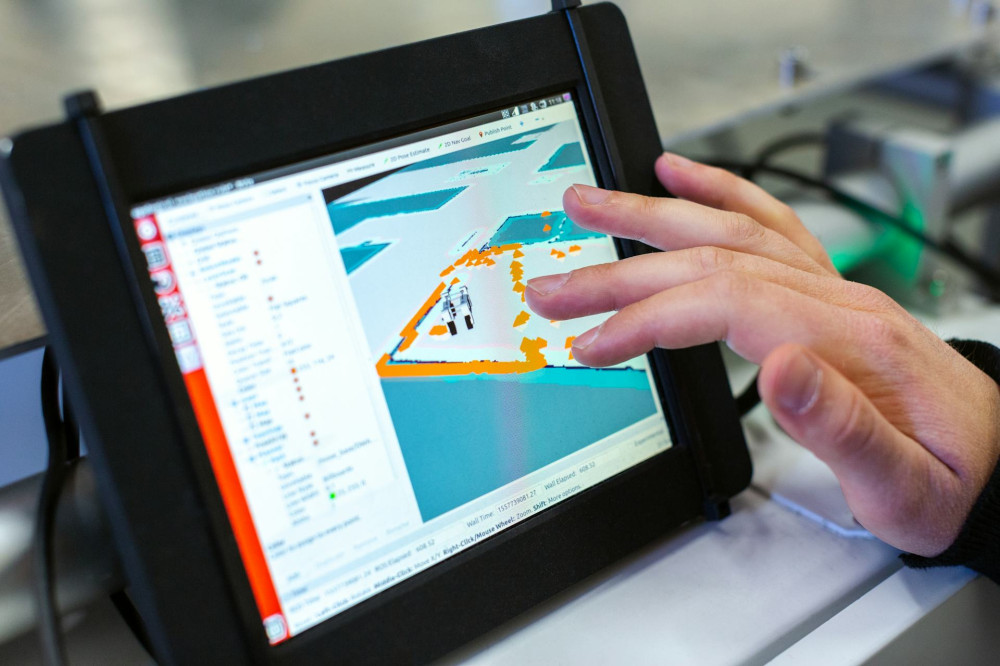
Automation in Balance: Efficiency Without Loss of Flexibility


Automation in Balance: Efficiency Without Loss of Flexibility
Automation has become a defining force across American industries—from manufacturing and logistics to healthcare, finance, and customer service. The promise is clear: faster processes, fewer errors, and lower costs. Yet, in the pursuit of efficiency, many organizations risk losing something essential: flexibility, creativity, and human judgment. The challenge is not whether to automate, but how to do so without sacrificing adaptability.
Automation as a Lever, Not a Replacement
Automation should be viewed as a tool that amplifies human potential, not one that replaces it. When repetitive or data-heavy tasks are automated, employees can focus on work that requires empathy, innovation, and strategic thinking.
Take customer support as an example. AI-driven chatbots can handle simple inquiries 24/7, but when a customer faces a complex issue, it’s the human touch that builds trust and satisfaction. The most effective approach is a hybrid one—where technology supports employees rather than substitutes for them.
Flexibility as a Competitive Edge
In the U.S. economy, where markets shift rapidly and consumer expectations evolve overnight, flexibility is a key competitive advantage. A company that automates too rigidly may find itself unable to adapt when conditions change.
That’s why automation should be designed with adaptability in mind. Systems should be modular, scalable, and easy to update. Cloud-based platforms, open APIs, and low-code tools make it possible to adjust processes without major disruptions. The goal is to stay agile—even as operations become more digital.
Keeping People at the Center
Even the most advanced technology is only as effective as the people who use it. When implementing automation, organizations should focus on how it affects employees and customers alike.
- Engage employees early. They understand the workflows best and can identify where automation adds value—and where it might create friction.
- Be transparent. Explain why automation is being introduced and how it will change daily operations.
- Invest in skills. New systems require new competencies. Training and upskilling are essential to ensure that technology enhances, rather than disrupts, the workplace.
When employees feel informed and involved, automation becomes a natural part of progress—not a threat to their roles.
Data-Driven, but Thoughtful
Automation often relies on data to make decisions and optimize performance. The more accurate and comprehensive the data, the better the outcomes. But data-driven systems must be guided by human oversight, especially when ethical or social implications are at stake.
Consider hiring algorithms. They can streamline candidate screening, but if the underlying data reflects past biases, the system may unintentionally perpetuate inequality. Responsible automation requires ethical guidelines, regular audits, and a commitment to fairness and transparency.
Continuous Adjustment: The Key to Balance
Automation is not a one-time project—it’s an ongoing process. Technologies evolve, and so do organizational needs. Regular evaluation ensures that automated systems continue to serve their intended purpose. Are they still efficient? Are they still aligned with business goals? Do they still support employees effectively?
Many U.S. companies are now forming cross-functional teams to oversee automation initiatives. By combining technical, operational, and human perspectives, these teams help maintain the right balance between efficiency and flexibility.
Læs også:



The Future: Efficient and Human
The ideal balance between automation and flexibility isn’t about choosing one over the other—it’s about integrating both. Automation delivers speed, consistency, and scalability, while humans bring creativity, empathy, and critical thinking.
Organizations that master this balance will be best positioned for the future. They’ll respond faster to change, deliver higher-quality outcomes, and foster workplaces where people and technology thrive together.
Læs også: