Machine Learning in Economics – A Simple Explanation for Everyone

Machine Learning in Economics – A Simple Explanation for Everyone
Machine learning is one of the most talked-about concepts in today’s technological world—but what does it actually mean, and how does it affect the economy? For many, it sounds like something that belongs in research labs or Silicon Valley startups, but in reality, machine learning is already part of our everyday lives. From credit scoring and stock trading to online pricing and fraud detection, algorithms are learning from data and making decisions that once required human judgment. Here’s a simple explanation of how machine learning is used in economics and why it matters to all of us.
What Is Machine Learning?
Machine learning is a branch of artificial intelligence where computers learn to recognize patterns in data and use them to make predictions or decisions. Instead of being programmed with fixed rules, the system learns from examples—much like how humans learn by observing, experimenting, and adjusting based on experience.
A simple example is an algorithm that predicts whether a borrower will repay a loan. It’s trained on thousands of past loan applications containing information such as income, age, debt, and repayment history. By analyzing these data, the algorithm learns which factors are most strongly linked to repayment and can then evaluate new applications with impressive accuracy.
Machine Learning in the Financial Sector
The financial industry has been one of the earliest adopters of machine learning. Banks, investment firms, and insurance companies use it to analyze massive amounts of data that would be impossible for humans to process manually.
- Credit Scoring: Algorithms assess the risk of default faster and often more accurately than traditional models. This can expand access to credit but also makes the decision-making process more complex and less transparent.
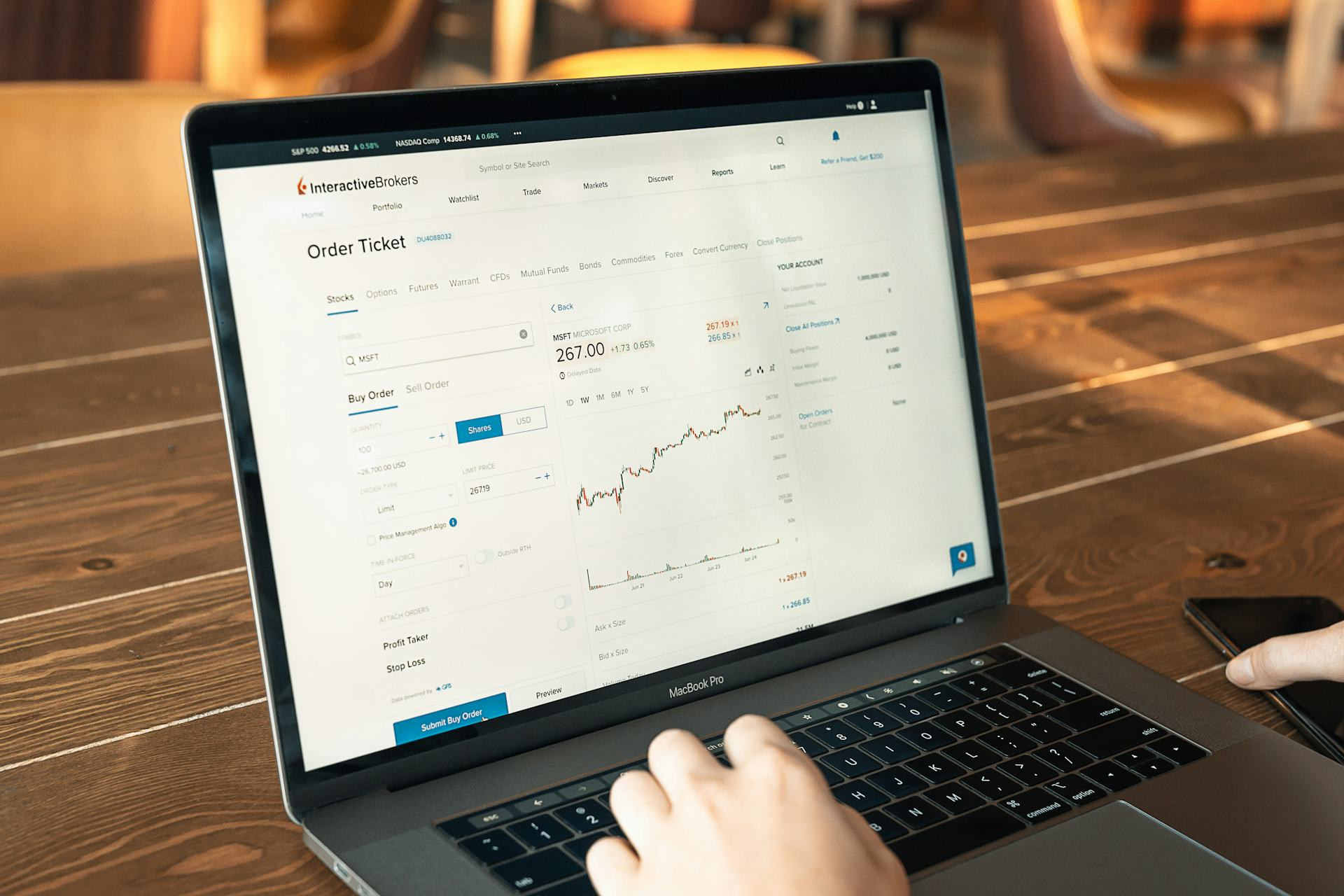
- Stock Trading: A large share of trading on U.S. markets is now done by automated systems that react to market data in real time. These systems can identify patterns and execute trades in milliseconds—far faster than any human trader.
- Fraud Detection: Machine learning helps detect unusual transactions that may indicate fraud. The systems continuously learn from new data, improving their ability to spot suspicious behavior.
Læs også:

Businesses and Consumers – New Opportunities and Challenges
Machine learning doesn’t just change how banks and investors operate—it also affects businesses and consumers. Many online retailers use algorithms to predict what you might buy next or to set prices that match your browsing and purchasing behavior. This can make shopping more convenient and personalized, but it also raises questions about fairness and privacy.
For businesses, machine learning can optimize everything from supply chains to customer service. For consumers, it can mean faster responses, better recommendations, and more tailored experiences—but also a world where data plays an ever-larger role in daily life.
Economic Impacts – Efficiency and Inequality
Machine learning can boost productivity and create new business opportunities, but it can also widen economic inequality. Companies with access to large amounts of data and technical expertise gain a competitive edge, while smaller firms may struggle to keep up. At the same time, automation can replace certain jobs even as it creates new ones in data science, software development, and analytics.
For the broader economy, this means that growth increasingly depends on how we manage data and technology. Nations and companies that use machine learning responsibly and effectively will likely be the ones that thrive in the future.
A Question of Trust and Ethics
When algorithms make economic decisions, trust becomes essential. How can we ensure that these systems don’t discriminate and that their decisions can be explained? Researchers, policymakers, and regulators in the U.S. are working on guidelines for “ethical AI,” emphasizing transparency, accountability, and fairness.
Consumers also have a role to play. By understanding how machine learning works, we can better judge when technology benefits us—and when we should ask tough questions about how our data is used.
The Future of Machine Learning in Economics
Machine learning isn’t a distant vision—it’s a technology already shaping the economy today. In the coming years, we’ll see even more advanced systems capable of analyzing complex relationships and adapting to rapidly changing markets. But success will depend not only on technology itself, but also on how we choose to use it as a society.
If we can combine innovation with responsibility, machine learning has the potential to make the economy not only more efficient, but also more inclusive and fair.
Læs også: