Energy-Conscious Electronics: Reduce Power Consumption Without Compromising Comfort

Energy-Conscious Electronics: Reduce Power Consumption Without Compromising Comfort
Electronics are an essential part of modern American life — from smart speakers and streaming devices to laptops, chargers, and kitchen appliances. But with rising energy costs and growing environmental awareness, it’s worth taking a closer look at how we use our devices. The good news is that saving energy doesn’t have to mean sacrificing comfort or convenience. With a few smart habits and thoughtful choices, you can cut your power consumption significantly — without noticing a difference in your daily routine.
Know Your Usage – and Find the Hidden Energy Drains
The first step toward lowering your electricity bill is understanding where your energy actually goes. Many devices continue to draw power even when they appear to be off — a phenomenon known as phantom load or standby power. Routers, cable boxes, chargers, and coffee makers can quietly add up to a surprising portion of your monthly energy use.
A simple way to identify these hidden drains is to use a plug-in energy monitor. It shows exactly how much electricity each device consumes. You might be surprised by how much energy is wasted when electronics stay plugged in around the clock.
- Unplug or fully power down devices you don’t use daily.
- Use power strips with on/off switches to cut power to multiple devices at once.
- Replace older electronics with newer models that have low standby consumption.
Choose Energy-Efficient Products
When shopping for new electronics or appliances, look for the ENERGY STAR® label — a trusted symbol for energy efficiency in the U.S. Products that meet these standards use significantly less electricity than older or non-certified models. This applies not only to large appliances but also to TVs, computers, and lighting.
- TVs and monitors: LED and OLED screens are more efficient than older LCD or plasma models.
- Computers: Laptops generally use far less power than desktop systems.
- Kitchen appliances: Look for automatic shut-off features and low standby energy use.
While energy-efficient products may cost a bit more upfront, they often pay for themselves through lower utility bills over time.
Use Technology Smartly
Many modern devices include built-in energy-saving features — but they only help if you turn them on.
- Power-saving modes: Most computers, TVs, and gaming consoles have settings that reduce energy use when idle.
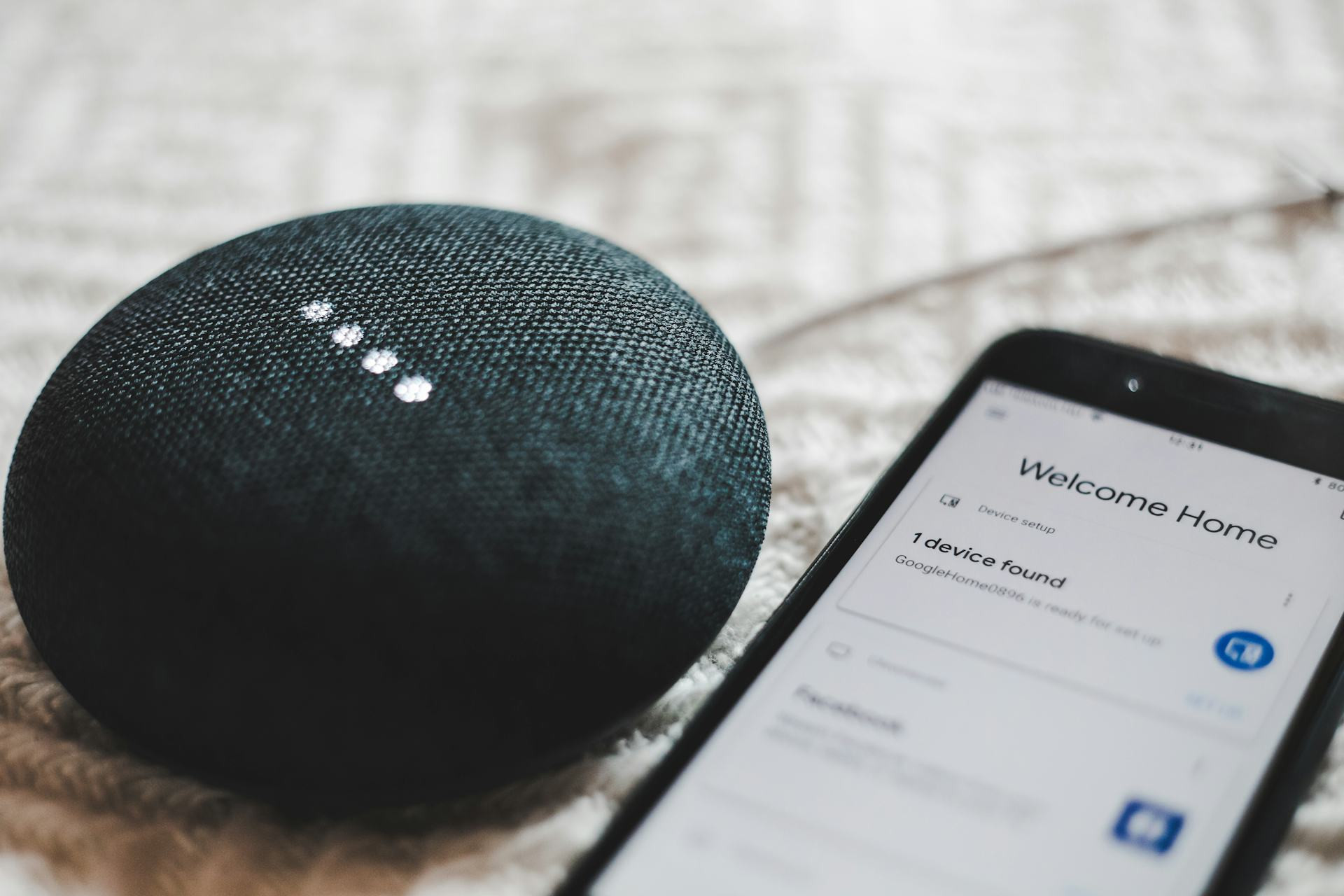
- Timers and smart plugs: Schedule devices to turn off automatically at night or while you’re away.
- Sensors: Motion and light sensors ensure that lights and heating or cooling systems only run when needed.
By letting technology manage your energy use, you can save power effortlessly without changing your habits.
Lighting and Climate Control – The Big Energy Users
While electronics like TVs and computers matter, lighting and heating or cooling systems are often the biggest contributors to household energy use in the U.S. Small adjustments here can make a big difference.
- Switch to LED bulbs — they use up to 80% less energy than incandescent bulbs and last much longer.
- Use dimmers or smart bulbs to adjust brightness based on the time of day.
- Keep vents, radiators, and heat pumps clear of furniture or curtains to improve efficiency.
If you have a smart home system, you can even link lighting and climate control so they automatically adjust when you leave or return home.
Læs også:


Comfort and Conscious Living Can Go Hand in Hand
Living energy-consciously isn’t about giving up comfort — it’s about using resources wisely. Once you’ve identified your biggest energy drains and optimized your devices, most of the work happens automatically.
You’ll find that small changes — like turning off standby power, choosing efficient products, and using smart technology — quickly make a noticeable difference in both your electric bill and your environmental footprint.
Energy-conscious electronics are good for the planet, your wallet, and your peace of mind. And best of all, you don’t have to compromise on comfort to make it happen.
Læs også: